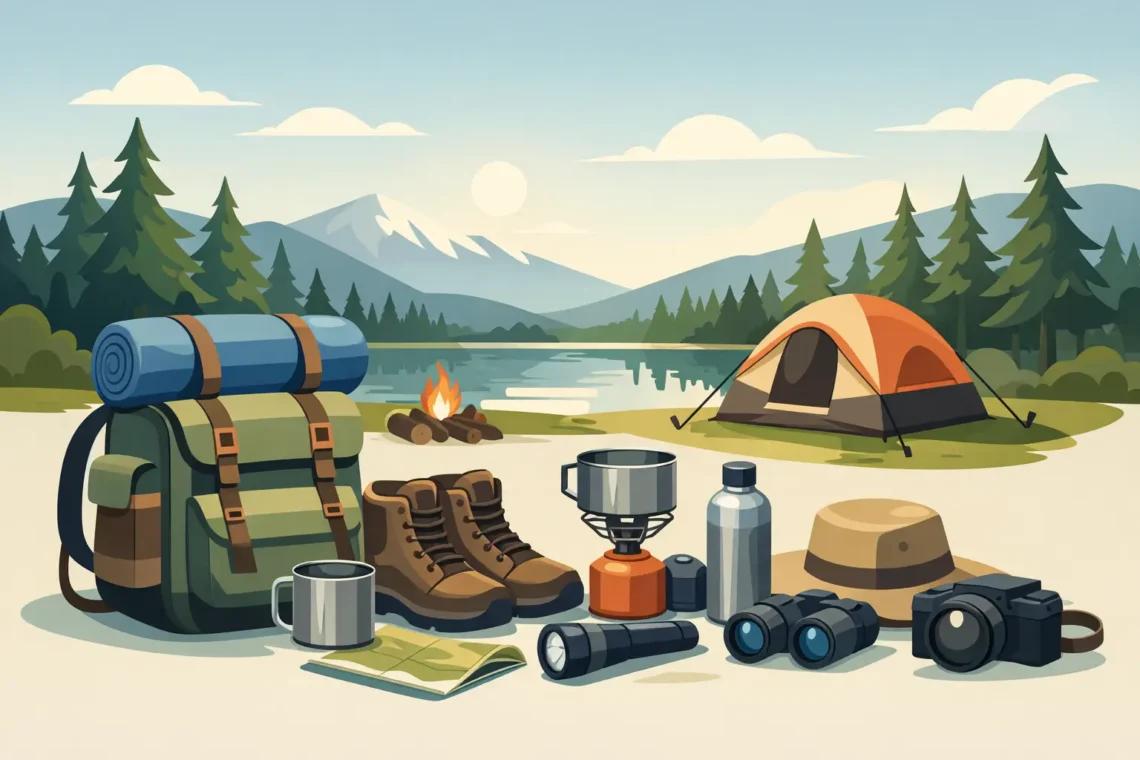
Friday evening gets a lot smoother when you are not standing in the garage wondering where the headlamp batteries went. If you are figuring out what to pack for weekend camping trip planning, the goal is simple: bring what keeps you safe, comfortable, and fed without stuffing the car with gear you will never touch.
A weekend trip is short, which is exactly why overpacking happens. People try to prepare for every possible scenario, then end up hauling duplicate layers, too much food, and bulky extras that clutter the campsite. A better approach is to pack by function – shelter, sleep, cooking, clothing, safety, and a few camp comforts – and adjust for weather, campsite access, and how much convenience you want.
What to pack for weekend camping trip basics
Start with the gear that makes the trip possible. If you forget a camp chair, you can manage. If you forget your sleeping setup or water, the whole weekend changes fast.
For shelter, pack your tent, rainfly, stakes, and guylines. Add a ground tarp if your tent does not have a durable floor or if the site is rough. If rain is in the forecast, a simple canopy or tarp over the cooking area can make a big difference, but it is more of a comfort item than a must-have for every trip.
Your sleep system matters just as much as the tent itself. Bring a sleeping bag rated for the expected overnight temperature, not the daytime high. A sleeping pad is easy to underestimate until you try sleeping directly on cold ground. Even beginner campers usually sleep better with an insulated pad or air mattress, plus a compact pillow or pillowcase stuffed with clothes.
Lighting is another core category. At minimum, pack one headlamp per person and one lantern or area light for camp. Headlamps are better than flashlights for cooking, setting up after dark, and late-night bathroom trips. Throw in extra batteries or a power bank if your lights are rechargeable.
Clothing: pack for conditions, not for photos
Clothing can either keep your weekend comfortable or quietly ruin it. The best strategy is to pack fewer pieces that layer well instead of tossing in half your closet.
For a typical weekend, most campers do well with one set of clothes for each day, one warmer layer, one rain layer, sleep clothes, and extra socks. The extra socks matter more than the extra shirt. Wet feet from dew, rain, or a creek crossing can make a short trip feel longer than it is.
Choose quick-drying fabrics when possible. Cotton is fine for lounging in dry, mild conditions, but it is a weak choice if the forecast includes rain or chilly evenings. A lightweight synthetic shirt, fleece or puffy layer, and a simple rain jacket will cover most three-season camping trips.
Footwear depends on the campsite. If you are car camping at a developed campground, comfortable trail shoes or sneakers may be enough. If the site is muddy, rocky, or requires a longer walk from parking, more supportive hiking shoes make more sense. Many campers also like bringing camp sandals or slip-ons so they are not stuck in the same shoes all weekend.
Food and cooking gear you will actually use
Weekend camping meals do not need to be elaborate. In fact, simple food usually works better because you have less cleanup, fewer forgotten ingredients, and less gear to carry.
Pack around two breakfasts, two lunches, two dinners, plus snacks, coffee, and more drinking water than you expect to need. If your campground has potable water, you can bring less, but it is still smart to keep a backup supply in the car. If there is no water source, calculate generously, especially in hot weather.
For cooking, bring a camp stove and fuel unless you are fully committed to cooking over a fire. Fires are great when conditions allow, but they are slower, less predictable, and sometimes restricted. A basic two-burner stove is one of the best upgrades for beginner and intermediate campers because it makes meals easier and helps you stick to your plan.
Beyond the stove, most people only need a lighter or matches, one skillet or pot, a cooking utensil, plates or bowls, cups, and eating utensils. Add a cooler with ice for perishables, plus food storage bins if you are packing dry goods. If you like coffee in the morning, pack the exact setup you use at home in a simplified version, whether that is instant coffee, a French press, or a pour-over dripper.
Cleanup is part of the cooking system, so do not forget dish soap, a sponge, paper towels, trash bags, and a small wash bin if your site does not have a sink nearby. A lot of first-time campers remember the burgers and forget the spatula. Packing by meal helps prevent that.
Safety and first-aid items worth making room for
The safest camping gear is often the least exciting to buy, but it is the gear you notice when it is missing. For a weekend trip, the right safety kit does not need to be huge. It just needs to be complete enough for common problems.
Bring a basic first-aid kit with bandages, antiseptic wipes, blister treatment, pain relievers, allergy medication if needed, and any personal prescriptions. If someone in your group is prone to headaches, bug bite reactions, or motion sickness, pack for that specifically instead of assuming the general kit covers it.
A weather-ready safety setup also includes a lighter, backup fire starter, multitool or knife, emergency blanket, map or downloaded directions, and a charged phone with a power bank. If you are camping somewhere remote with weak service, a paper map is still worth having. It is low-tech, but dependable.
Bug spray and sunscreen belong in this category too. People sometimes think of them as optional comfort items, but bad sunburn or relentless mosquitoes can change the whole trip. Add lip balm, hand sanitizer, and toilet paper if the campground amenities are uncertain.
Personal items and campsite comfort
Once the basics are covered, think about the items that make camp more functional. These are not survival essentials, but they often have an outsized impact on how relaxed the trip feels.
Camp chairs are near the top of that list. Sitting on a cooler or picnic bench works for a while, but a decent chair makes meals, coffee, and evenings by the fire much better. A folding table can also help if your site has limited prep space.
For personal care, pack the same basics you would take for a short road trip: toothbrush, toothpaste, medications, face wipes or shower kit, and a quick-dry towel if showers are available. If you are camping with kids, add more wipes, more snacks, and a few boredom-proof items like cards, coloring supplies, or a small game.
Storage matters more than people expect. Use bins, duffels, or labeled bags so you are not hunting through loose gear all weekend. One bag for cooking gear, one for clothes, and one for sleep gear is usually enough to keep things organized without going overboard.
What to pack for weekend camping trip weather changes
Weather is the biggest reason one packing list does not fit every trip. A mild spring weekend at a drive-up campground is very different from a windy fall site near a lake.
If rain is likely, bring extra dry clothes, a better rain layer, waterproof storage, and a mat or towel for the tent entrance. If nights will be colder than expected, upgrade your sleeping bag before you add more random blankets. A good sleep system is more efficient than trying to wear every layer you own inside the tent.
Hot-weather trips shift the list in the other direction. You will need more water, lighter clothing, sun protection, and maybe a battery fan for the tent if you are car camping. Food storage also gets trickier in heat, so cooler performance becomes more important.
This is where practical gear choices matter. The best setup is not always the biggest or most expensive one. It is the one that fits your campsite style, forecast, and tolerance for roughing it. That is the same filter Outdoor Patron uses when helping readers sort through gear options – useful equipment should match real use, not just look impressive in a product listing.
A smart packing approach for first-time and casual campers
If you are new to camping, resist the urge to build a giant checklist from ten different sources. Start with one question: what problems am I trying to prevent? Usually the answer is being cold, wet, hungry, uncomfortable, or unprepared after dark.
That mindset helps you prioritize. Shelter and sleep solve cold and weather exposure. Cooking and water solve food and hydration. Clothing and footwear solve comfort. First-aid, lighting, and navigation solve the small issues that can turn into bigger ones.
It also keeps spending under control. For a weekend trip, you do not need every camp accessory on the market. Spend more carefully on the gear that affects safety, sleep quality, and ease of use. A reliable tent, sleeping pad, stove, and light are better investments than a pile of novelty camp gadgets.
Before you leave, do one final check by category instead of item by item. Confirm shelter, sleep, food, water, clothing, lights, and safety. Then add the small comforts that matter most to you, whether that is better coffee, a favorite chair, or a book for the quiet part of the evening.
Pack for the trip you are actually taking, not the fantasy version of it. That is usually the difference between a campsite that feels chaotic and one that feels easy from the moment you pull in.