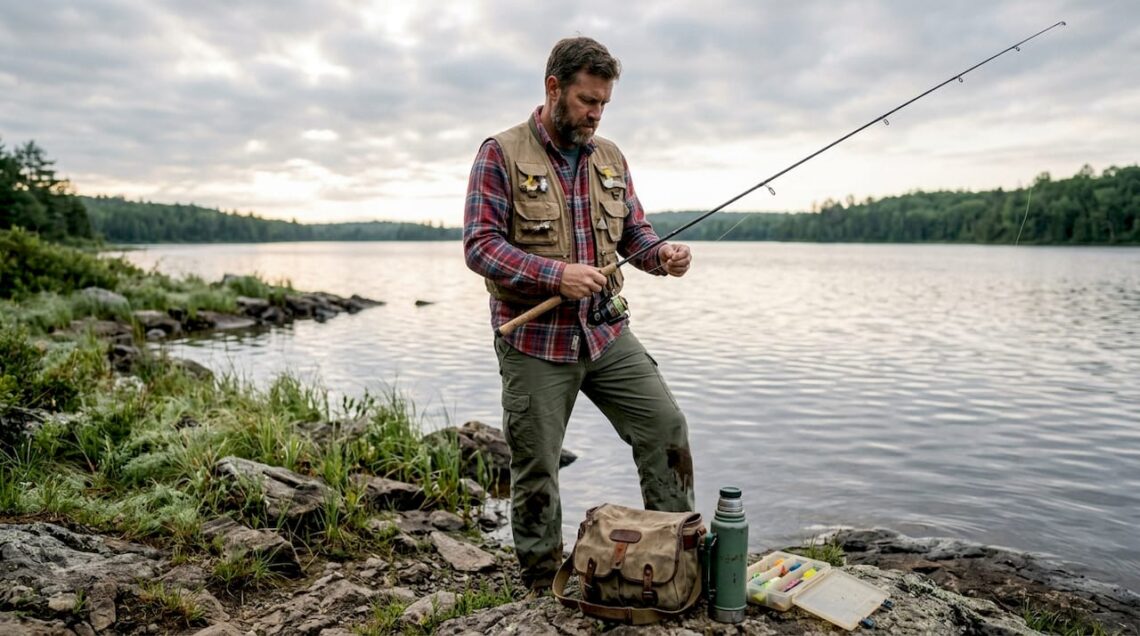
Picking the right fishing gear can feel overwhelming when you’re staring down an aisle packed with hundreds of rods, reels, lines, and tackle options. Too many anglers either buy too little and struggle on the water, or overbuy and end up with gear they never use. The good news is that a focused, well-chosen kit covers nearly every situation you’ll face in freshwater or saltwater. A spinning rod and reel is the single most recommended starting point for beginners because of how forgiving and versatile it is. This guide walks you through every essential piece of equipment, from rods to protective gear, so you can fish with confidence.
Table of Contents
- How to choose must-have fishing equipment
- Rod and reel combos: The essential foundation
- Fishing lines: Getting the right strength and style
- Tackle: Bait, lures, and storage essentials
- Other essentials: Nets, licenses, and protective gear
- Why less is more: The value of a focused fishing kit
- Upgrade your fishing experience with Outdoor Patron
- Frequently asked questions
Key Takeaways
| Point | Details |
|---|---|
| Rod and reel combos | A matched spinning rod and reel combo is the cornerstone of your fishing gear, handling most situations efficiently. |
| Fishing line choice | Select monofilament for freshwater and braided for saltwater to optimize strength and casting performance. |
| Versatile bait and lures | Live bait and assorted artificial lures cover both fresh and saltwater needs and are ideal for beginners. |
| Proper tackle storage | A well-organized tackle box ensures quick access to gear and prevents costly mistakes or lost items. |
| Safety and legal essentials | Always bring protective gear and obtain a fishing license to stay comfortable and compliant with local laws. |
How to choose must-have fishing equipment
Before you spend a dollar, you need to ask three questions: Where are you fishing, what species are you targeting, and what’s your budget? These three factors shape every gear decision you’ll make. Skipping this step is the most common mistake new anglers make, and it leads to buying gear that’s either too heavy, too light, or completely wrong for the environment.
Water type matters more than most people realize. Freshwater fishing in a calm lake calls for lighter, more sensitive gear. Saltwater fishing in the surf or on a boat demands corrosion-resistant materials and heavier line capacities. Using freshwater gear in saltwater will corrode your reel within a season, sometimes faster.
Target species also drives your choices. Chasing panfish like bluegill is very different from targeting striped bass or redfish. Knowing your quarry helps you pick the right rod power (light, medium, or heavy) and the right line strength.
Here’s a quick checklist of what to nail down before shopping:
- Water type: Freshwater lake, river, or saltwater surf/boat
- Target species: Small panfish, bass, trout, redfish, or larger game fish
- Budget: Entry-level ($30 to $80), mid-range ($80 to $200), or advanced ($200+)
- Experience level: Beginner, intermediate, or seasoned angler
- Portability needs: Bank fishing, kayak, or boat
One of the most overlooked buying mistakes is ignoring versatility. Anglers often buy specialty gear before they’ve mastered the basics. A single rod and reel selection guide can save you from buying three rods when one good one would do the job.
Spinning combos dominate beginner and intermediate setups because they’re forgiving, easy to cast, and work across a huge range of species. The Ugly Stik GX2 is a perfect example of a durable, versatile combo that handles both freshwater and light saltwater duties without breaking the bank.
Pro Tip: Start with a medium power rod in the 6.5 to 7 foot range. This length and power rating covers bass, trout, redfish, and most inshore species, giving you the widest possible coverage from a single setup.
Rod and reel combos: The essential foundation
Every fishing trip starts with a rod and reel, and getting this choice right sets the tone for everything else. A matched combo means the rod’s action and the reel’s gear ratio are designed to work together, which improves casting distance, sensitivity, and fighting power.
For most beginners, spinning combos are the clear recommendation. They’re easy to cast, handle light and medium lures well, and rarely backlash. Baitcasting combos offer more precision and power but have a steeper learning curve. Surf combos are long (9 to 12 feet) and built for casting heavy rigs into the ocean from shore.
Here’s a quick comparison to help you decide:
| Combo type | Best for | Skill level | Price range |
|---|---|---|---|
| Spinning | Freshwater, light inshore | Beginner | $30 to $150 |
| Baitcasting | Bass, heavier lures | Intermediate | $80 to $300 |
| Surf | Ocean shore fishing | Beginner to advanced | $60 to $250 |
Spinning setups handle roughly 70 to 90% of fishing scenarios most hobbyists encounter, which is why they’re the go-to recommendation. If you’re just starting out, check out the best fishing rod and reel combos for a curated list of top performers at every price point.
For bass-specific fishing, the bass fishing rods for beginners roundup covers lighter, more sensitive options. If you’re heading to the beach, the surf fishing combos guide breaks down the best long-rod options for casting through the surf zone.
Key features to look for in a beginner combo:
- Rod material: Fiberglass (durable) or graphite (sensitive)
- Reel size: 2500 to 3500 for freshwater, 4000 to 5000 for inshore saltwater
- Bearing count: More bearings generally means smoother retrieves
- Drag system: Front drag is more reliable than rear drag for fighting fish
Pro Tip: If you want one rod that does it all, pair a 7-foot medium power spinning rod with a 3000-size reel loaded with 10 lb monofilament. This setup works for bass, trout, redfish, and even light surf fishing. Explore top spinning reels to find the right reel match.
Fishing lines: Getting the right strength and style
Your fishing line is the only physical connection between you and the fish. It’s easy to overlook, but the wrong line choice can cost you catches even with perfect gear everywhere else.
There are three main line types every angler should understand:
- Monofilament: Stretchy, forgiving, affordable, and easy to handle. Great for beginners and most freshwater applications.
- Braided line: Very strong for its diameter, no stretch, and excellent sensitivity. Ideal for saltwater and heavy cover situations.
- Fluorocarbon: Nearly invisible underwater, low stretch, and abrasion resistant. Best used as a leader material or for clear-water finesse fishing.
Here’s a quick reference for matching line to your fishing scenario:
| Water type | Line type | Recommended test strength |
|---|---|---|
| Freshwater (general) | Monofilament | 6 to 10 lb |
| Freshwater (heavy cover) | Braided | 20 to 30 lb |
| Saltwater (inshore) | Braided | 15 to 20 lb |
| Saltwater (offshore/surf) | Braided | 30 to 65 lb |
For freshwater beginners, 6 to 10 lb monofilament is the standard recommendation. For saltwater, braided line in the 15 to 30 lb range gives you the strength and thin diameter needed to cast farther and fight stronger fish.
Line diameter directly affects your casting distance and how fish react to your presentation. Thinner lines cut through water better and are less visible to fish. The best braided fishing line for saltwater options balance thin diameter with high break strength for maximum performance.
If you’re fishing the surf or rocky shorelines, check out the saltwater fishing rods guide alongside your line choice. Also, the saltwater braided line picks roundup covers the top options tested in real conditions.
Pro Tip: Use braided line as your main line and tie a 2 to 3 foot fluorocarbon leader at the end. You get the strength and sensitivity of braid with the near-invisibility of fluorocarbon right where it counts, near the hook.
Tackle: Bait, lures, and storage essentials
Once your rod, reel, and line are sorted, it’s time to think about what goes on the end of that line. Bait and lure selection is where a lot of anglers get overwhelmed, but it doesn’t need to be complicated.
Live bait is the most beginner-friendly option. Worms catch nearly every freshwater species, and shrimp work incredibly well for inshore saltwater fishing. The downside is that live bait requires preparation, storage, and replacement throughout the day.
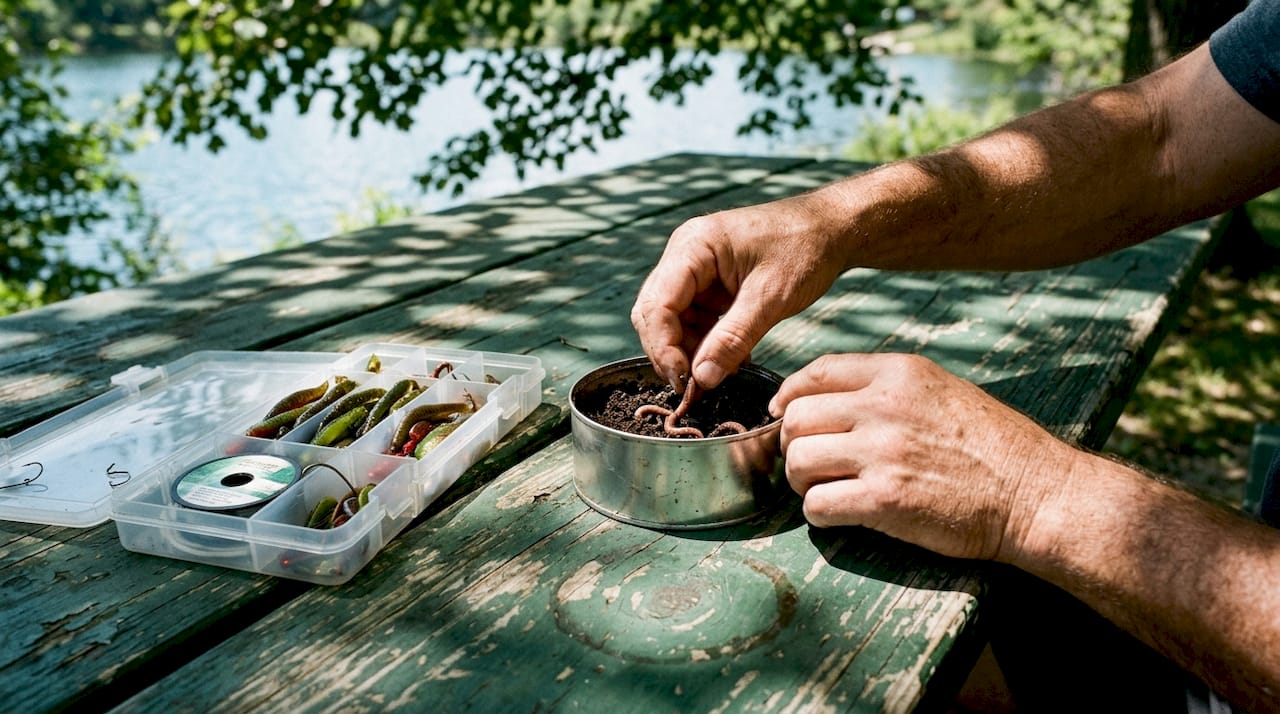
Artificial lures are more convenient and often more effective once you learn to use them. Soft plastics, jigs, and spinners are the three most versatile options for both fresh and saltwater. Soft plastics mimic injured baitfish, jigs work at various depths, and spinners create flash and vibration that trigger reaction strikes.
Here’s a simple breakdown of beginner-friendly options:
- Freshwater: Nightcrawlers, soft plastic worms, inline spinners, small crankbaits
- Saltwater: Live shrimp, cut bait, jigs, soft plastic paddle tails
- Multi-purpose: 1/4 oz jig heads with soft plastic bodies, small spoons
For a ready-to-fish lure selection, the bass fishing lure kits roundup covers complete kits that give you a range of proven options without the guesswork.
Organizing your tackle is just as important as choosing it. A well-organized box saves time and frustration on the water. Here’s a simple system to follow:
- Sort by lure type: hard baits, soft plastics, jigs, and terminal tackle in separate compartments.
- Keep your most-used items in the top tray for quick access.
- Store hooks, weights, and swivels in small labeled containers.
- Use waterproof boxes if you’re fishing from a kayak or in wet conditions.
The tackle box for kayak fishing guide covers compact, waterproof options built for tight spaces. If you need to carry more gear on foot, waterproof fishing backpacks let you haul a full kit without worrying about rain or splashes.
Pro Tip: Keep a small selection of 5 to 10 proven lures rather than carrying 50 options you’re unsure about. Confidence in your lure matters. If you believe in what you’re throwing, you’ll fish it better.
Other essentials: Nets, licenses, and protective gear
Beyond rods, reels, and tackle, a few other items separate prepared anglers from frustrated ones. These are the items that often get forgotten until you need them.
A landing net is one of the most underrated tools in fishing. It protects the fish during catch and release, reduces handling stress, and prevents last-second escapes. Rubber mesh nets are gentler on fish scales and fins than traditional nylon. The catch and release fishing nets guide covers the best options for different fishing styles.
Essential items to pack on every trip:
- Landing net: Rubber mesh for catch and release
- Hook remover or pliers: For safe, fast hook extraction
- First aid kit: Small but important for hook accidents
- Sunscreen: SPF 30 or higher, reapplied every two hours
- Polarized sunglasses: Reduce glare and help you spot fish
- Wide-brim hat: Protects your face and neck from sun exposure
Licensing fact: A fishing license is required in virtually every U.S. state. Regulations vary by species, season, and location. Always check your state’s fish and wildlife agency website before heading out to avoid fines.
Protective gear is often treated as optional, but it’s genuinely important. Polarized sunglasses do double duty: they protect your eyes from UV rays and help you see through the water’s surface to spot fish and structure. Gloves protect your hands when handling fish with sharp fins or teeth, especially in saltwater.
Think of these items as the difference between a comfortable, productive day on the water and a miserable, sunburned one.
Why less is more: The value of a focused fishing kit
Here’s something the fishing industry doesn’t want you to hear: most anglers catch more fish with less gear, not more. The marketing machine pushes new lures, gadgets, and specialty rods constantly, and it’s easy to fall into the trap of thinking more gear equals more fish.
In reality, the anglers we see consistently succeed on the water carry a focused kit built around a few trusted tools. One great quality rod and reel combo, a handful of proven lures, and the right line for the conditions will outperform a bag stuffed with gear you’re not confident using.
Clutter creates hesitation. When you have 40 lure options, you spend more time switching than fishing. When you know your setup cold, you fish with purpose. That confidence translates directly into better presentations, better hooksets, and more catches. Build a tight, reliable kit first. Add specialty gear only when a specific need arises.
Upgrade your fishing experience with Outdoor Patron
Ready to put together a solid kit or level up what you already have? Outdoor Patron has done the research so you don’t have to.
Our gear roundups cover everything from top fishing rod and reel combos tested in real fishing conditions to the best braided fishing lines ranked by strength, castability, and durability. Need to land your catch cleanly? Our picks for reliable fishing nets cover rubber mesh options at every price point. Every recommendation is built around what actually works on the water, not just what looks good in a product photo.
Frequently asked questions
Which fishing rod and reel combo is best for beginners?
A medium power spinning combo, like the Ugly Stik GX2, is widely recommended for its durability, ease of use, and versatility across freshwater and light saltwater fishing.
What fishing line strength should I use?
Use 6 to 10 lb monofilament for freshwater and 15 to 30 lb braided line for saltwater to match typical catch sizes and handle the demands of each environment.
Do I need a fishing license to fish?
Yes, a fishing license is required in most U.S. states; always check your local fish and wildlife agency regulations before heading out.
What’s the difference between live bait and artificial lures?
Live bait like worms or shrimp is natural and beginner-friendly, while soft plastics, jigs, and spinners are artificial options that work in both fresh and saltwater and offer greater long-term versatility.
What protective gear should I bring for fishing?
Polarized sunglasses, a wide-brim hat, gloves, and SPF 30 or higher sunscreen are the core protective items that guard you from sun exposure and handling hazards on any fishing trip.