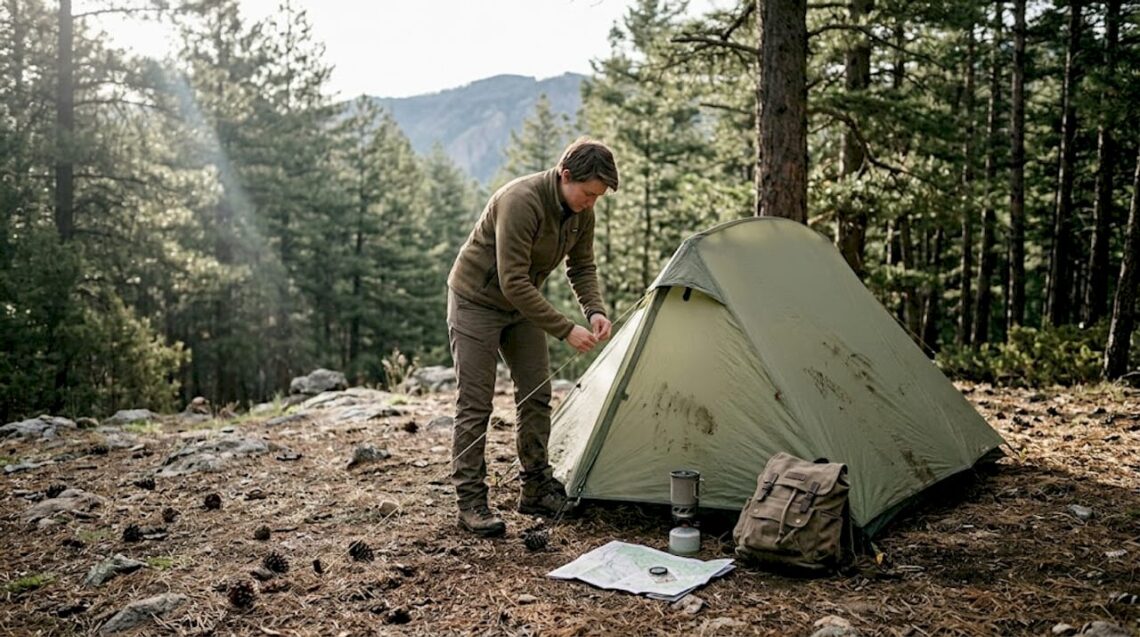
Most people assume backcountry camping just means pitching a tent somewhere without a neighbor’s RV in sight. That’s a comfortable myth. Real backcountry camping means leaving every road, facility, and safety net behind and stepping into remote wilderness where your skills, gear, and preparation are the only things keeping you comfortable and safe. It demands a completely different mindset than a weekend at a developed campground. This guide breaks down exactly what backcountry camping is, what gear you need, which rules you must follow, and the core skills that separate a great trip from a dangerous one.
Table of Contents
- Defining backcountry camping
- Essential backcountry camping gear
- Rules, permits, and safety regulations
- Skills and strategies for success
- Why mastering the basics is more important than advanced gear
- Gear up for your next adventure with Outdoor Patron
- Frequently asked questions
Key Takeaways
| Point | Details |
|---|---|
| Backcountry camping meaning | Backcountry camping is about self-sufficient camping in remote, undeveloped wilderness far from roads and facilities. |
| Must-have gear | Critical gear includes a bear canister, gas stove, sleeping bag, tent, and water purifier to meet park requirements and stay safe. |
| Permit and safety rules | Always secure a permit, follow group size and site restrictions, store food properly, and camp at least 100 feet from water sources. |
| Crucial skills | Navigation, food management, Leave No Trace habits, and water purification are key to backcountry success. |
Defining backcountry camping
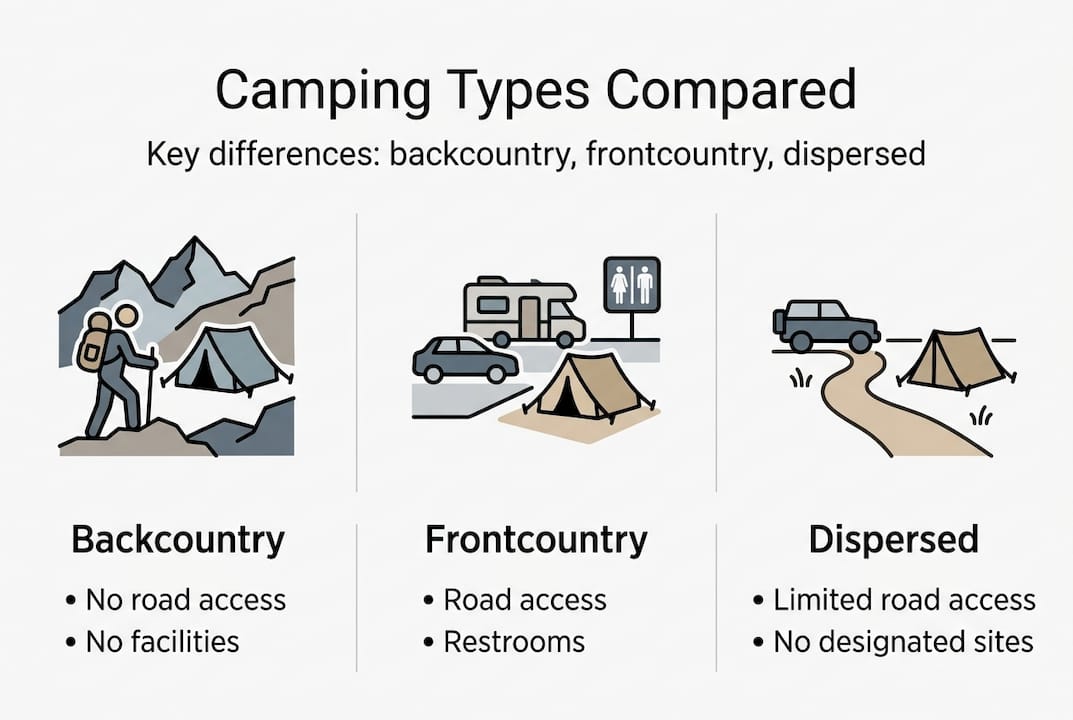
Backcountry camping is camping in remote, undeveloped areas that have no road access, no bathrooms, no running water, and no ranger stations nearby. You carry everything in on your back and carry everything out when you leave. There are no hookups, no picnic tables, and no camp store a short walk away.
This is fundamentally different from frontcountry camping, which is what most people picture when they think of camping. Frontcountry, or car camping, means driving your vehicle directly to a designated campsite with amenities like fire rings, trash cans, and restrooms. You can pack a cooler full of food and a folding chair without a second thought about weight.
Dispersed camping sits somewhere in between. It typically means camping on public land outside of designated campgrounds, often without facilities, but usually within reasonable reach of a trailhead or road. It’s more self-sufficient than frontcountry but less demanding than true backcountry.
Here’s a quick comparison to make the differences clear:
| Feature | Backcountry | Frontcountry | Dispersed |
|---|---|---|---|
| Road access | No | Yes | Sometimes |
| Facilities | None | Full amenities | Minimal |
| Permits required | Usually | Sometimes | Sometimes |
| Skill level needed | High | Low | Moderate |
| Pack-in/pack-out | Always | No | Usually |
For backcountry camping, the core mentality is self-reliance. You plan for every scenario because no one is coming to help you quickly if things go wrong. You also carry a Leave No Trace ethic into every decision, from where you sleep to how you dispose of waste.
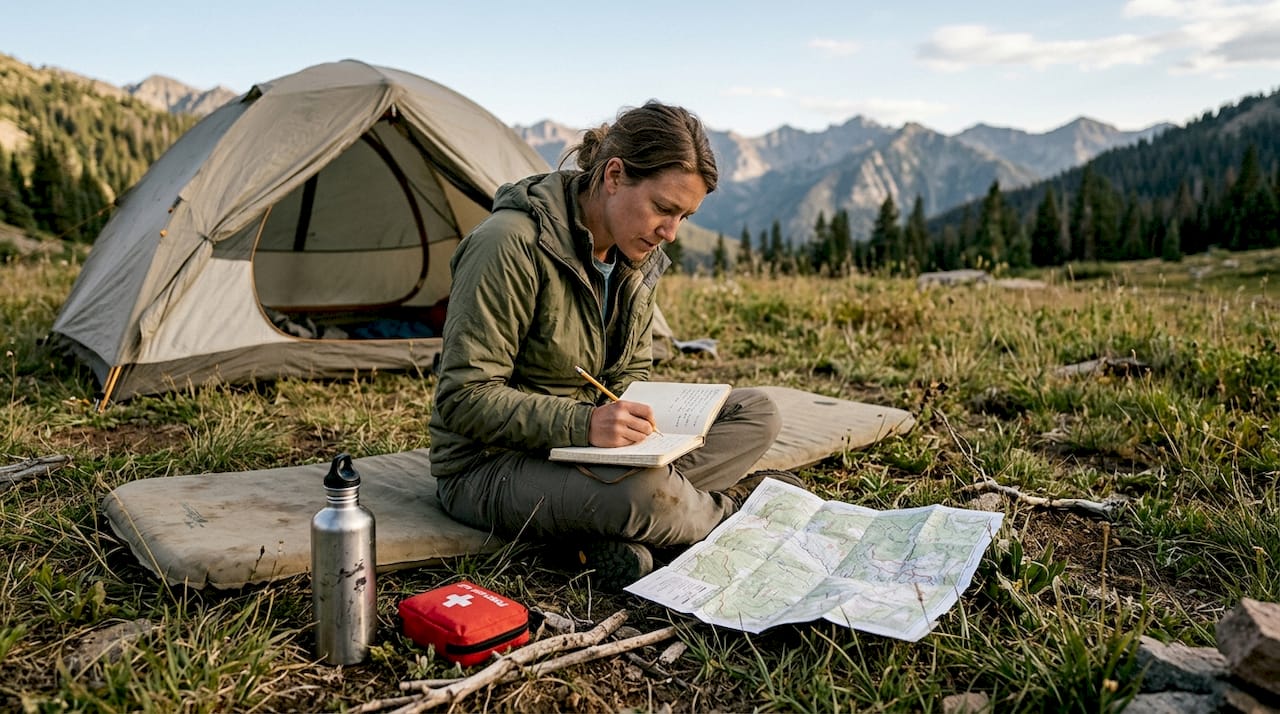
Permit requirements are a real part of this experience. Permits are required for backcountry camping in national parks like Bryce Canyon, with designated sites only, group limits of 6 people per site, no pets, no hammocks, bear canisters required, no open fires, and a mandatory 100-foot buffer from water and trails. If you’re new to all this, start with packing for backcountry camping to understand what you’re committing to before you book a permit.
Key traits every backcountry camper needs to develop:
- Navigation skills using maps and compass
- Water sourcing and purification knowledge
- Wilderness first aid awareness
- Food storage discipline to avoid wildlife encounters
- Weather reading and trip adjustment flexibility
These aren’t optional extras. They’re the baseline for anyone heading into the backcountry safely.
Essential backcountry camping gear
With a clear definition in place, let’s cover the equipment every backcountry camper needs. The goal is a pack that’s light enough to carry for miles but complete enough to handle anything the wilderness throws at you.
Your non-negotiables are:
- Bear canister: Required in most parks and essential for protecting both your food and local wildlife
- Water purification system: Filter, purification tablets, or UV pen
- Gas stove: Bear canisters, gas stoves, and water purification are mandatory in many parks because open fires are prohibited
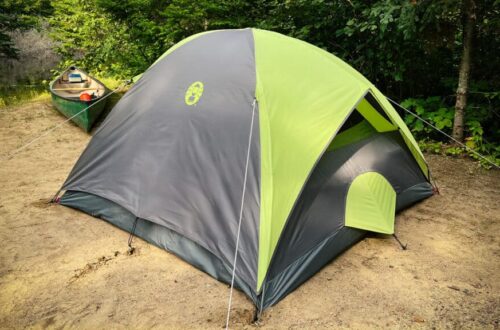
- Quality tent: A lightweight, weather-rated shelter built for backcountry conditions
- Sleeping bag: Rated for temperatures below what you expect
- Backpack: Properly fitted and sized for your trip length
- Navigation tools: Paper map, compass, and a GPS device as backup
- First aid kit: Compact but thorough
- Headlamp with extra batteries
- Emergency shelter or bivy
Gear requirements shift depending on your environment. Here’s a breakdown:
| Environment | Critical additions | Watch out for |
|---|---|---|
| Desert | Extra water capacity, sun protection | Dehydration, flash floods |
| Mountain | Insulated layers, traction devices | Hypothermia, altitude |
| Forest | Rain gear, insect protection | Wet conditions, wildlife |
For cold nights, choosing the right best sleeping bags for cold weather can be the difference between a miserable shiver-fest and solid rest. Your shelter choice matters just as much. A good lightweight backpacking tent protects you without punishing your back. For cooking, invest in camping cookware essentials that are compact and durable. And your pack itself needs to fit well. Check out recommended hiking backpacks to find one that matches your load and body type.
Pro Tip: Cut pack weight by choosing gear that serves more than one purpose. A rain jacket doubles as a wind layer. A sleeping bag liner adds warmth and can replace a second bag on warmer trips. Always cross-check your gear list against the specific permit regulations for your destination before you leave home.
Rules, permits, and safety regulations
Having the right gear is only the beginning. The rules and safety measures protecting wilderness areas exist for good reasons, and ignoring them can get you fined, endanger wildlife, or put your life at risk.
Permits control how many people enter sensitive wilderness zones. They protect fragile ecosystems from being loved to death and keep search-and-rescue resources manageable. When you register for a permit, you’re also giving rangers a record of where you plan to be, which matters enormously in an emergency.
“Permits are required, campsites may have group size limits, no pets or hammocks, and you must camp at least 100 feet from water and trails.” — Bryce Canyon National Park Backcountry Guidelines
Common site restrictions you’ll encounter across most parks:
- Group size caps (often 6 to 12 people maximum)
- No pets in designated backcountry zones
- No hammocks in fragile or fire-prone areas
- Mandatory distance from water sources and trails
- Pack-in, pack-out waste rules including human waste in some zones
Leave No Trace principles are the ethical backbone of backcountry travel. They cover everything from where you step to how you wash your dishes. The core idea is simple: leave the wilderness exactly as you found it, or better.
Here’s how to get your permits and stay compliant:
- Identify your destination and check the specific park or forest website for backcountry regulations
- Apply for permits through Recreation.gov or the park’s own reservation system, often months in advance
- Read all site-specific rules including fire restrictions, bear canister requirements, and group limits
- Print or download your permit and carry it with you on the trail
- Check current conditions the week before your trip for fire closures or trail damage
- Follow all posted signs once you’re in the field, even if they differ from what you read online
For nighttime safety, solid camp lighting and safety gear keeps you oriented after dark. And if weather turns, having camp tarps for protection can make a real difference in staying dry and safe.
Skills and strategies for success
Rules and gear are just parts of the puzzle. Mastering key wilderness skills is what truly elevates your backcountry experience from stressful to genuinely rewarding.
Navigation is your most critical skill. A GPS device is useful, but batteries die and signals fail. Learn to read a topographic map and use a compass before you need them under pressure. Plan your route at home, mark waypoints, and know your bail-out options before you set foot on the trail.
Water management keeps you alive. Never drink directly from a stream or lake, no matter how clean it looks. You must purify all water in the backcountry and camp at least 100 feet from water sources and trails. Filters work fast, but always carry purification tablets as a backup in case your filter freezes or breaks.
Food management protects both you and the wildlife around you. Store all food, trash, and scented items in a bear canister every night, placed at least 200 feet from your tent. Never cook near where you sleep. Wildlife that associates humans with food becomes dangerous and often has to be euthanized as a result.
Must-have backcountry skills every camper should develop:
- Map and compass navigation without relying on electronics
- Bear canister food storage and wildlife awareness
- Fire starting with multiple methods (even if open fires are banned, knowing how matters)
- Wilderness first aid including blister care, sprain management, and hypothermia response
- Weather pattern recognition to avoid being caught in dangerous conditions
For more on what to bring and how to organize your load, backcountry packing tips can help you build a smarter system before your first trip.
Pro Tip: The 100-foot rule from water and trails isn’t just a regulation. It actively protects riparian habitats, prevents erosion, and keeps water sources clean for both wildlife and other campers downstream. Make it a habit, not a checkbox.
Why mastering the basics is more important than advanced gear
Here’s something the outdoor gear industry doesn’t want you to hear: your $600 GPS watch will not save you if you don’t know how to read the terrain. We’ve seen campers arrive with ultralight titanium cookware and four-season tents, only to panic when their water filter clogged and they had no backup plan.
The most capable backcountry campers we’ve encountered often carry modest gear. What they carry instead is deep preparation. They’ve studied their route. They know the regulations. They’ve practiced their water purification system at home. They understand what the weather is likely to do.
Gear matters, absolutely. A bad sleeping bag in freezing temperatures is dangerous regardless of your skill level. But gear is a tool, and tools only work in the hands of someone who knows how to use them. A reliable hiking backpack that fits properly will always outperform an expensive pack worn incorrectly.
Focus first on building your skills, understanding the rules, and respecting the wilderness. The gear upgrades can come later, earned through experience rather than purchased as a substitute for it.
Gear up for your next adventure with Outdoor Patron
Ready to put your knowledge into practice? Outdoor Patron has done the research so you don’t have to start from scratch.
From building your comprehensive packing list to choosing the right top camping cookware for your stove setup, our guides cover every piece of the backcountry puzzle. Looking for a pack that won’t destroy your shoulders on a 10-mile haul? Our breakdown of the best hiking backpacks gives you honest, experience-backed recommendations. Outdoor Patron exists to help you get into the wilderness smarter, safer, and better equipped for every adventure ahead.
Frequently asked questions
Do I need a permit for backcountry camping?
Yes, most national parks and protected areas require permits to camp in the backcountry. Permits are required in parks like Bryce Canyon, often with strict group size limits and designated site rules.
Is open fire allowed while backcountry camping?
Almost always no. No open fires are permitted in most backcountry zones, and gas stoves are required to prevent wildfires and protect fragile ecosystems.
How far should I camp from water sources?
You should set up camp at least 100 feet from any water source or trail. Camping 100 feet from water is required in Bryce Canyon and most national parks to protect natural habitats.
What gear is most important for backcountry trips?
Bear canisters, gas stoves, water purification systems, quality tents, and sleeping bags are absolutely critical. Bear canisters and water purification are required in many parks, making them non-negotiable items for your pack.