
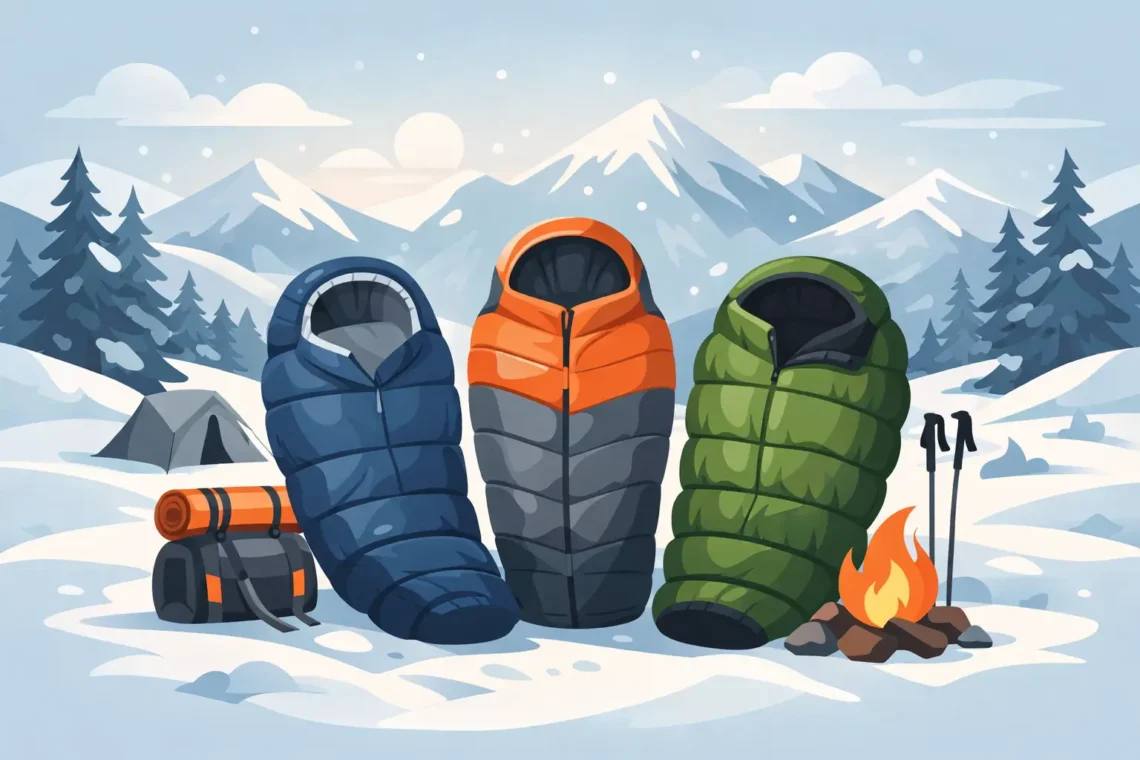
Cold shows up fast at camp. One bad sleeping bag choice can turn a clear, beautiful winter night into a long stretch of shivering, layered clothing, and no real sleep. If you’re shopping for the best winter sleeping bag, the goal is simple: find a bag that keeps you warm in real conditions without forcing you to carry more bulk or spend more money than you need to.
That balance matters because “winter” means different things to different campers. A car camper dealing with 25 degree nights has a very different set of needs than a backpacker heading into single digits, and both are different from someone planning occasional shoulder-season trips who just wants extra margin for cold snaps. This guide narrows the field to trusted options and explains where each one makes the most sense.
Best winter sleeping bag options worth considering
A good winter bag starts with honest temperature expectations. Brand ratings can be useful, but they are not a promise of comfort for every sleeper. If you tend to sleep cold, it is smart to buy with extra room on the warm side.
For most buyers, the best overall choice is the Marmot Lithium 0. It hits a strong middle ground between real cold-weather performance, manageable weight, and dependable build quality. The 0 degree rating puts it in a useful range for many winter campers, especially when paired with an insulated sleeping pad, and the down fill helps keep packed size reasonable. It is not the cheapest option, but it is one of the easiest bags to recommend if you want strong all-around value instead of chasing one extreme.
If price matters most, the Teton Sports Celsius XXL -25F often stands out as a budget-friendly winter pick for car camping. It is roomy, warm on paper, and far more affordable than premium mountaineering-style bags. The trade-off is obvious: this bag is bulky and heavy. For backpacking, it is a poor fit. For drive-up campsites, cabins, truck beds, and short carries from the parking area, it can be a practical value buy.
For backpackers who count every ounce, the Therm-a-Rest Polar Ranger -20F deserves attention. It is designed for serious cold and built with weight efficiency in mind, making it more appealing for backcountry winter use than many cheaper synthetic bags. You pay for that performance, and this is not an entry-level purchase. But if your trips involve snow travel, longer approaches, or alpine camps, the reduced weight can matter just as much as raw warmth.
The Western Mountaineering Kodiak MF is a premium comfort pick for sleepers who hate feeling boxed in. Winter bags often get tight because manufacturers are trying to preserve heat and shave weight, but this one gives you more interior room without feeling sloppy. That makes a real difference if you toss and turn, wear extra layers to bed, or simply want a less restrictive fit. The downside is cost. It is one of those bags you buy when comfort and long-term quality matter more than getting the lowest price.
If moisture resistance is high on your list, the NEMO Sonic 0 is a strong modern option. Down bags are excellent for warmth-to-weight, but winter camping can involve condensation, tent frost, damp clothing, and repeated exposure to wet conditions. The Sonic adds useful weather-focused design details and ventilation options that can help with temperature regulation. It is especially appealing if your trips swing between bitter cold nights and milder mornings where overheating becomes part of the problem.
Campers who prefer synthetic insulation should look at the Mountain Hardwear Lamina 0. Synthetic fill does not usually pack as small as down, and it tends to weigh more for the same warmth. Still, it handles damp conditions better, usually costs less, and can be easier for occasional winter campers to justify. If you expect snow melt, humid conditions, or just want a lower-maintenance bag, this is the kind of trade-off that can make sense.
Big and tall campers often struggle with winter bags because extra layers and shoulder room matter more in the cold. The Big Agnes Anthracite 20, especially in larger size options, can be a strong fit for users who want a roomier sleep system and already understand the brand’s pad-integrated design approach. The 20 degree rating means this is not the warmest true winter pick here, but for milder winter climates or late-fall to early-spring use, it can be the right match.
The REI Co-op Frostbreak 5 is another option worth considering if you want winter-ready warmth without moving into expedition-level pricing. It tends to appeal to shoppers who want a straightforward, dependable bag from a familiar outdoor brand. You still need to pair it with a proper sleeping pad and realistic expectations, but it can be a practical middle-ground buy.
For extreme cold, the Mountain Hardwear Phantom Gore-Tex -40F sits in a different category. This is more bag than most recreational campers need, but for severe winter conditions, high mountains, or users who sleep very cold, it provides the kind of reserve warmth that standard winter bags may not. The cost is steep, and so is the specialization. Unless your trips truly justify it, most people are better served by a lighter and less expensive option.
How to choose the best winter sleeping bag for your trips
The most important question is not which bag has the most impressive rating. It is how and where you camp. A winter sleeping bag for car camping can be heavy, roomy, and synthetic without being a bad buy. A winter sleeping bag for backpacking has to balance warmth, weight, and packed size much more carefully.
Temperature rating is the headline feature, but comfort range matters more in real use. A 0 degree bag may be perfectly comfortable for one person at 15 degrees and miserable for another at 25. Your metabolism, clothing, shelter, sleeping pad, wind exposure, and even what you ate before bed all affect how warm you feel.
Insulation type is the next major decision. Down gives you better warmth for the weight and usually compresses smaller, which is why many of the best winter sleeping bag models for backpackers use it. Synthetic insulation is bulkier, but it handles moisture better and often costs less. If your winter camping is mostly drive-up camping or short hikes from the car, synthetic can be a very reasonable choice.
Shape also matters more in winter than many buyers expect. Mummy bags are warmer because they reduce dead air space and seal in heat better around the shoulders and feet. Roomier bags are more comfortable for some sleepers, but that extra space can make them harder to heat. If you prioritize comfort, look for a bag with a slightly generous cut rather than jumping straight to the widest option you can find.
Features that actually make a difference in cold weather
A well-designed hood is not optional in a winter bag. Heat loss around the head and neck can ruin an otherwise good setup, so look for a hood that cinches comfortably and stays put when you move. Draft collars and insulated zipper baffles matter too. They are not flashy features, but they help stop warm air from leaking out where it usually does.
Zipper quality is another small detail that becomes a big deal in freezing weather. A snagging zipper is annoying in summer and miserable in winter, especially when you’re wearing gloves or trying not to let cold air into the bag for long. Footbox shape can also affect comfort. If your feet run cold, a bag with enough room for thick socks without compressing insulation is a better choice than an aggressively tapered design.
One overlooked factor is sleeping pad compatibility. Even the best bag will disappoint if you lose heat into the frozen ground all night. Winter camping requires a pad with enough R-value to match the bag. If your bag is rated for serious cold but your pad is not, the weak point in your sleep system is still the pad.
Who should buy which type of winter bag
If you are a casual winter camper, start with value and warmth, not ultralight specs. A heavier synthetic bag like the Teton or a practical midrange option like the Lamina will likely serve you better than paying top dollar for backcountry features you may never use.
If you backpack in winter, lean toward a lighter down bag with a conservative temperature rating. This is where models like the Marmot Lithium 0 or Therm-a-Rest Polar Ranger make more sense. The upfront cost is higher, but so is the payoff in packability and trail comfort.
If you camp in wet, variable cold, look closely at weather resistance and ventilation. A warm bag that traps too much moisture can become less comfortable over a multi-night trip. And if you are a larger sleeper or side sleeper, prioritize fit early. A bag can have excellent specs and still be the wrong choice if you cannot sleep comfortably inside it.
The right winter bag is the one that matches your coldest realistic trip, not your most optimistic one. Buy for the conditions you will actually face, leave room for how you personally sleep, and treat your sleeping pad as part of the same decision. That approach will guide you toward the best gear for your needs and make your next cold-weather night a lot more enjoyable.